From Glaciers to Vineyards: Ten Reasons Argentina Belongs on Your Bucket List
Why Argentina feels like five countries in one is something you don’t fully appreciate until you’re actually in it. This is a place that stretches from Parisian-style boulevards in Buenos Aires to the wild, wind-scoured edges of Patagonia, from quiet delta waterways to vine-covered hillsides overlooking the Andes. It has a strong, unmistakable sense of identity wherever you go, whether it’s the world-class Malbec, the extraordinary beef, the tango that pulses from every corner of the capital. But what really makes Argentina special is that it isn’t polished, and it doesn’t try to be. It’s a little unpredictable, occasionally chaotic, and entirely, irresistibly alive. The kind of unpredictability that’s been unsettling the English since 1986 – gracias, Diego!
Argentina is one of travel’s best-kept secrets. And it’s time it was on your radar.
1. Lose Yourself to Tango in Buenos Aires
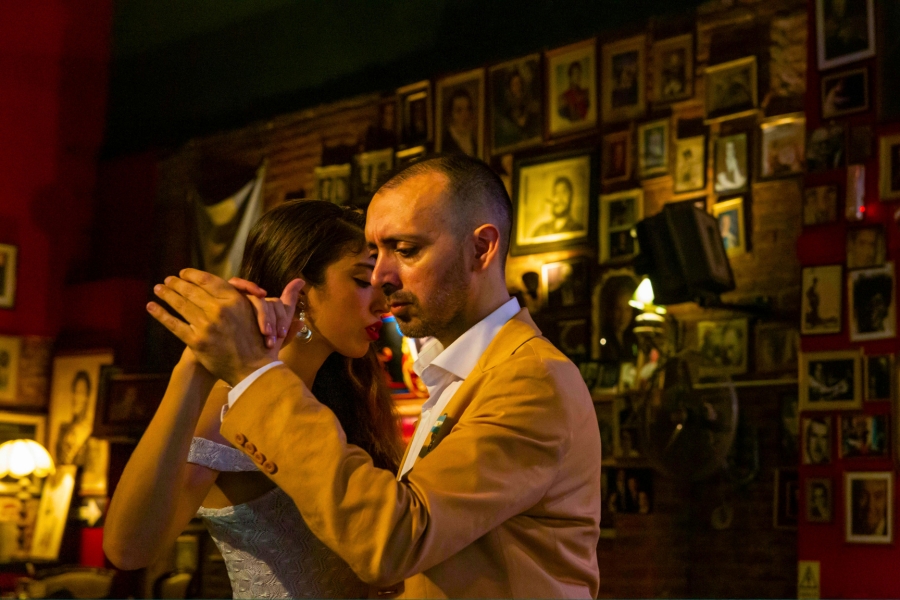
Buenos Aires is the birthplace of tango, and experiencing it here, in the city where it was born, in a candlelit milonga with the bandoneón sighing in the corner, is something no recording or performance elsewhere ever quite replicates. Head to one of the city’s legendary tango venues for an evening of live music, extraordinary dancing, and almost certainly a very good glass of Malbec. If you’re feeling adventurous, take a lesson. You will be terrible at first. You will love every second.
The atmosphere of Buenos Aires in the evenings, the heat, the music leaking from doorways, the dancers on the pavement of San Telmo, is one of those things that stays with you permanently.
2. Stand Before the Perito Moreno Glacier
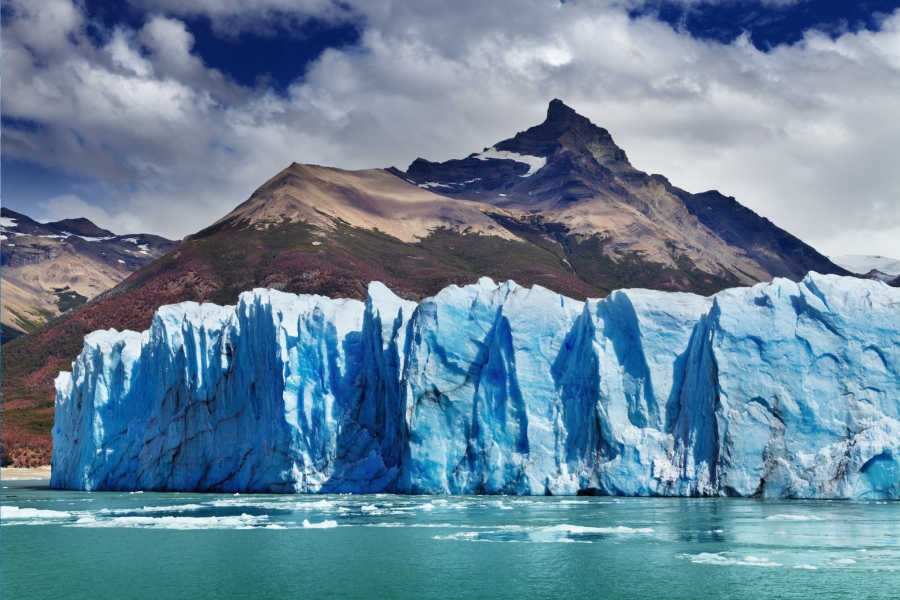
Down in Patagonia, at the edge of the world, one of the most extraordinary natural spectacles on the planet is quietly going about its business. The Perito Moreno Glacier, part of the Los Glaciares UNESCO World Heritage Site near El Calafate, is one of only a handful of glaciers on earth that is still advancing rather than retreating. It is vast, it is ancient, and it is the most extraordinary shade of blue you have ever seen.
You can walk across it with crampons on a guided ice hike, or take a boat across the lake to see its 60-metre ice face up close. Either way, the moment when a chunk of ice the size of a house calves off the face and crashes into the turquoise water below, with a sound like a cannon shot, is an experience you will not forget as long as you live.
3. Spend a Sunny Afternoon in Mendoza’s Vineyards
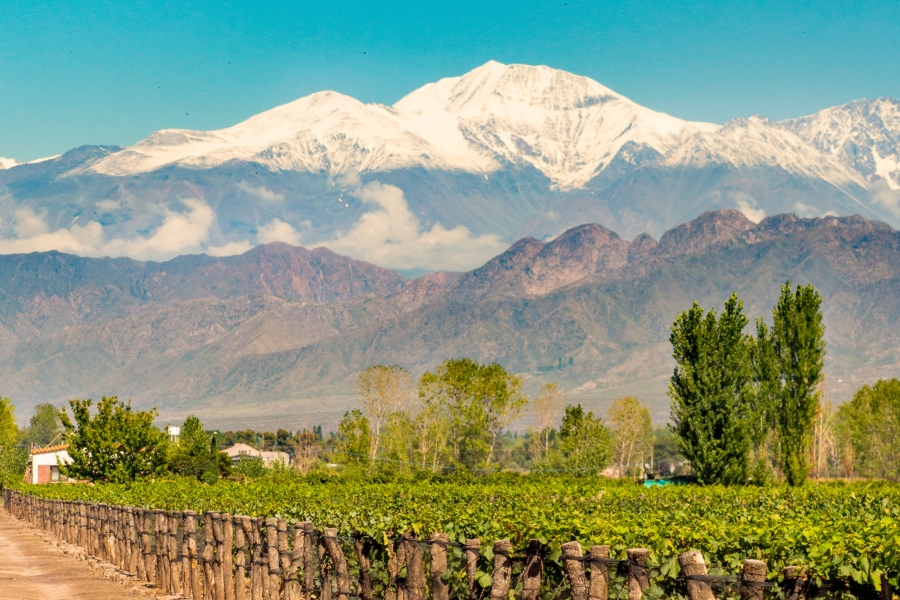
Mendoza, in the foothills of the Andes, is one of the world’s great wine regions and visiting it is one of travel’s great pleasures. This is the home of Argentine Malbec, and the combination of high altitude, intense sunshine, and mineral-rich Andean meltwater produces wines of remarkable depth and character.
Spend an afternoon cycling between vineyards, the landscape of vine-covered slopes and snow-capped mountains in the distance is almost absurdly beautiful, stopping at family-run bodegas to taste and talk with the people who make the wine. Round off the day with a traditional asado at a local estancia: a long, unhurried Argentine barbecue under the sky, where the beef is extraordinary and the conversation even better.
4. Explore the Neighbourhoods of Buenos Aires
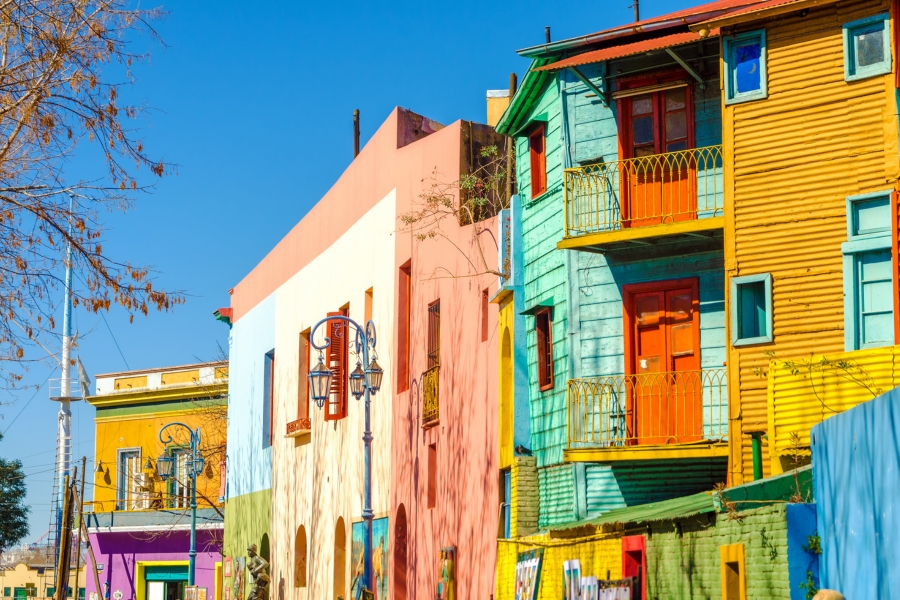
Buenos Aires rewards those who walk slowly and look carefully. Each of the city’s neighbourhoods has its own completely distinct character, and together they add up to one of the most endlessly interesting cities in South America.
La Boca is vivid, loud, and painted in every colour imaginable – the famous Caminito street is a riot of corrugated iron buildings daubed in reds, yellows, and blues, with tango dancers performing for passers-by in the afternoon sun. Recoleta is elegant and tree-lined, home to the extraordinary Recoleta Cemetery where Eva Perón is buried alongside generations of Argentina’s great and good in mausoleums of astonishing grandeur. Palermo is the city at its most relaxed – parks, markets, boutiques, and cafés where you could spend an entire afternoon doing precisely nothing and feeling entirely justified. And San Telmo, perhaps the most characterful of all, comes alive on Sunday mornings with street markets, antiques, tango, and the kind of atmosphere that makes you want to cancel your onward flights.
5. Lakes, Mountains and Magic in Bariloche
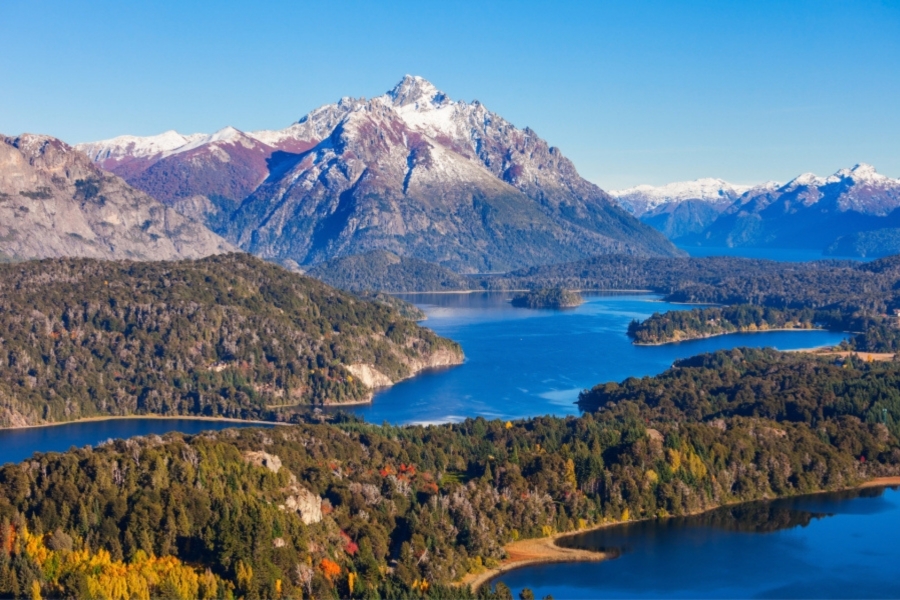
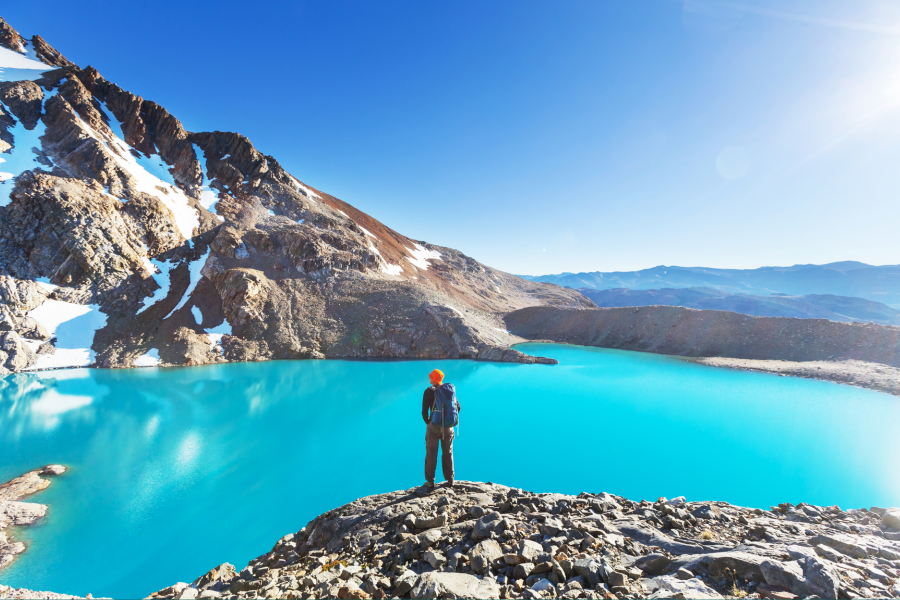
When you arrive in Bariloche, Argentina’s most beautiful lake district town, nestled between snow-capped peaks and impossibly blue glacial lakes, take the chairlift up to the summit of Cerro Campanario. It is a short ride, but the view from the top has been named one of the most beautiful panoramas in the world. Lake Nahuel Huapi stretches out below you, ringed by mountains, its surface reflecting the sky in different blues depending on the time of day. Take your time up here. You’ve earned it.
And once you’ve had your fill of that view, there is an entire landscape of extraordinary tranquillity waiting below. The Lakes District, stretching south from Bariloche through San Martín de los Andes and Villa La Angostura, is a world of alpine forests of araucaria and lenga beech, mirror-still lakes that reflect the mountains perfectly, and a pace of life that feels like the whole world has agreed to stop rushing for a while. Hike, kayak, fish for trout in rivers as cold and clear as glass, or simply sit on a terrace with a plate of locally smoked fish and a glass of Patagonian wine as the mountains turn pink in the evening light. In winter, the same landscape becomes one of South America’s finest ski destinations. In every season, it is one of the most restorative places we know.
6. Take a Day Trip to Colonia del Sacramento
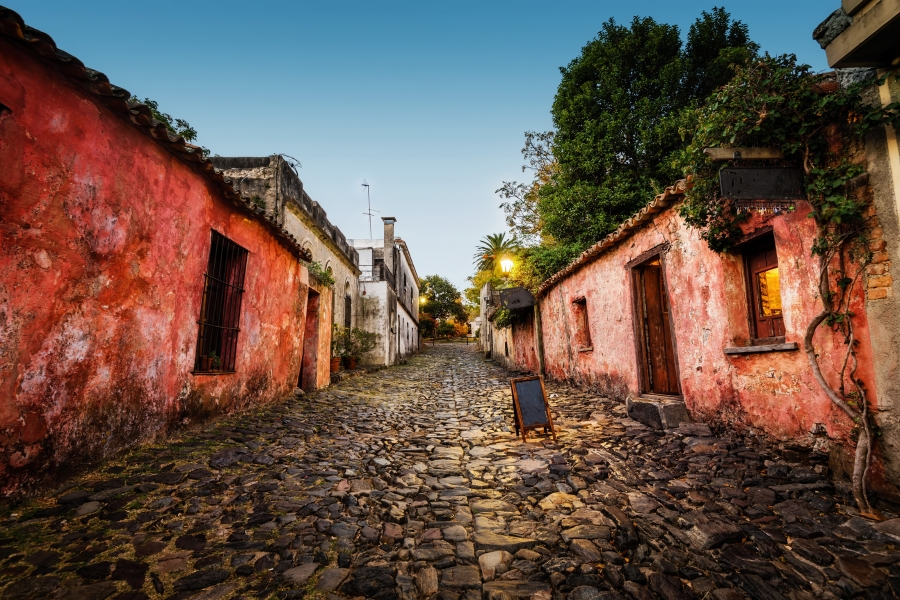
Here is something that surprises most first-time visitors to Buenos Aires: one of the most charming day trips from the city doesn’t involve Argentina at all.
A short ferry crossing across the Río de la Plata, roughly an hour from Buenos Aires’ port, delivers you to Colonia del Sacramento, a small Portuguese colonial town on the Uruguayan shore that feels as though someone pressed pause several centuries ago and simply forgot to press play again. It is a UNESCO World Heritage Site, and its Barrio Histórico, the old quarter, is one of the best-preserved examples of early colonial urban planning in South America.
The streets here are cobbled and narrow, lined with low whitewashed houses whose bougainvillea spills onto the pavement in fuchsia and orange. Old cannons still point towards the river from the ramparts. A solitary lighthouse, built in the ruins of a 17th-century convent, offers views across the wide, coffee-coloured Plata in every direction. The Portón de Campo, the original city gate, flanked by the remains of the colonial walls, frames the old town perfectly against the river and the sky.
The pace of Colonia is its greatest gift. This is a town built for wandering without purpose, for sitting in a square with a cortado and a pastry and watching absolutely nothing happen very slowly. Little museums dot the old quarter – charming, slightly eccentric, and gloriously unhurried. The restaurants along the waterfront serve fresh Uruguayan fish and the excellent local Tannat wine, which holds its own rather well against its famous Argentine neighbour across the water.
Colonia is proof that the best day trips are sometimes the ones that take you somewhere you didn’t expect to find yourself and that the Río de la Plata has something extraordinary on both of its shores.
7. Witness the Power of Iguazú Falls
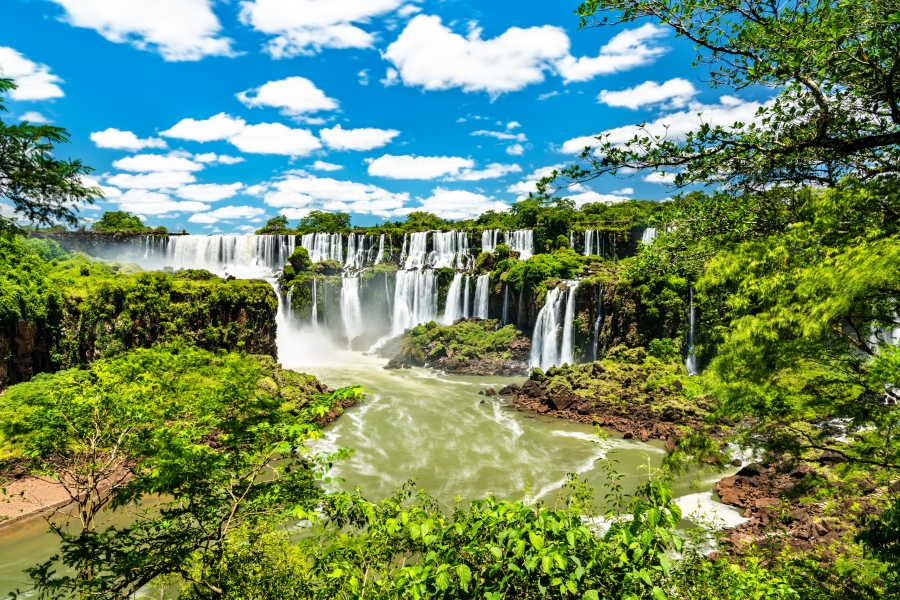
No visit to Argentina is complete without standing at the edge of Iguazú Falls and accepting that you had absolutely no idea. You thought you knew what a waterfall was. You didn’t.
Iguazú is not one waterfall but 275 individual cascades spread across nearly three kilometres of the Iguazú River at the border with Brazil. The roar of the water is felt as much as heard. The spray rises in permanent clouds above the canopy. The famous Garganta del Diablo, the Devil’s Throat, is an 82-metre horseshoe cataract of such overwhelming power that most visitors stand before it in complete, stunned silence.
Beyond the falls themselves, the surrounding national park is extraordinary. A subtropical rainforest teeming with toucans, coatis, hundreds of species of butterflies, and, if you’re very fortunate, the tracks of a jaguar in the riverbank mud.
8. Argentina’s Food and Wine Culture
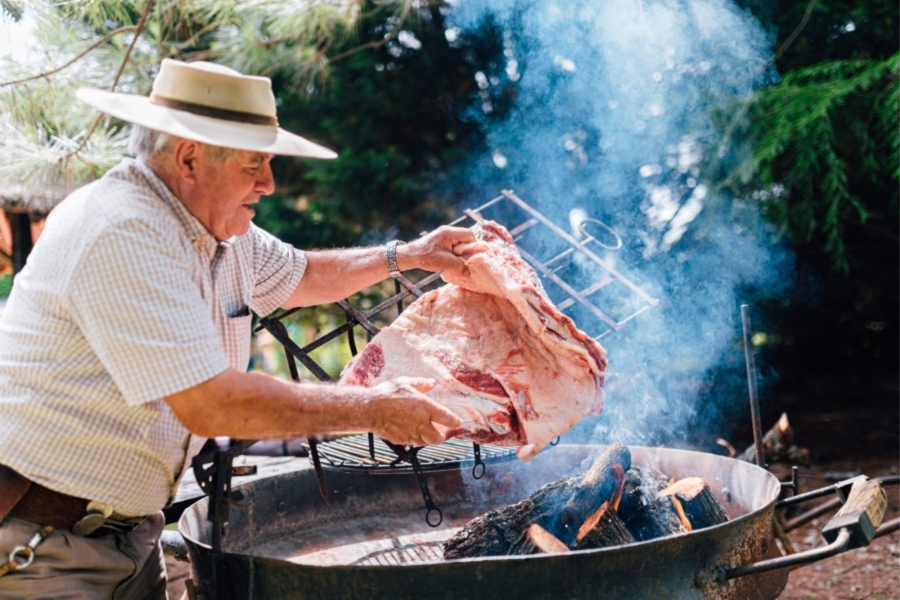
Let’s be honest: one of the very best things about Argentina is the eating and drinking. This is a country with a food culture of genuine depth and pride, not the kind that needs a Michelin star to justify itself, but the kind that has been refined over generations at family tables, estancia fires, and corner parrillas (grills) in cities and small towns alike.
The centrepiece is, of course, the asado. An Argentine asado is not simply a barbecue, it is a social ritual, an art form, and a statement of identity. The asador (grill master) tends the fire with unhurried care, placing cuts of beef over the embers at precise distances and angles, guided by knowledge passed down rather than written down. The result, bife de chorizo, tira de asado, mollejas (sweetbreads), morcilla (blood sausage), arrives at the table in unhurried waves, eaten slowly with bread, chimichurri, and the kind of red wine that makes you wonder why you ever drink anything else. An asado is not dinner. It is an afternoon.
Buenos Aires has meanwhile emerged as one of the most exciting restaurant cities in South America. The dining scene spans every register, from the extraordinary tasting menus of celebrated chefs working with native Patagonian ingredients to the neighbourhood parrillas where a perfectly grilled steak and a carafe of Malbec cost less than a sandwich in London. The empanada, a half-moon pastry stuffed with beef, onion, and spice, baked or fried, slightly different in every province – is Argentina’s great everyday food: eaten standing up, wrapped in paper, at any time of day.
And then there is the wine. Mendoza’s Malbec is the variety that put Argentine wine on the world map, but the country’s wine culture extends far beyond a single grape. Torrontés, a uniquely Argentine white variety, floral and aromatic, grows beautifully in the high-altitude vineyards of Salta. The Patagonian wine regions of Neuquén and Río Negro produce Pinot Noir and Chardonnay of striking elegance. And the Valle de Uco, south of Mendoza at over 1,000 metres altitude, is producing some of the most exciting red wines in the southern hemisphere.
A visit to an Argentine bodega is an experience in its own right: the scale of the vineyards, the drama of the Andean backdrop, the warmth of the welcome, and the wines themselves – poured generously, explained with passion, and accompanied by food that makes the glass taste even better. It is one of those experiences that turns people who thought they knew about wine into people who realise, happily, that there was more to learn.
Argentina feeds and waters its visitors extraordinarily well. This alone would be reason enough to come.
9. Experience Football the Argentine Way

Football in Argentina is not a sport. It is a religion, a passion, an expression of identity so profound that it shapes the entire culture. Attending a match in Buenos Aires, even a mid-table league encounter, is an experience unlike anything else in sport: the noise, the colour, the songs that seem to involve every single person in the stadium singing simultaneously.
The Superclásico between Boca Juniors and River Plate is the most intense football rivalry in the world. Two clubs from the same city, separated by class and geography and decades of deeply felt mutual feeling. A stadium tour of La Bombonera, Boca’s famously atmospheric ground, is worth doing even if football leaves you cold. Once you’re inside, it almost certainly won’t.
10. Share a Mate and Understand Argentina
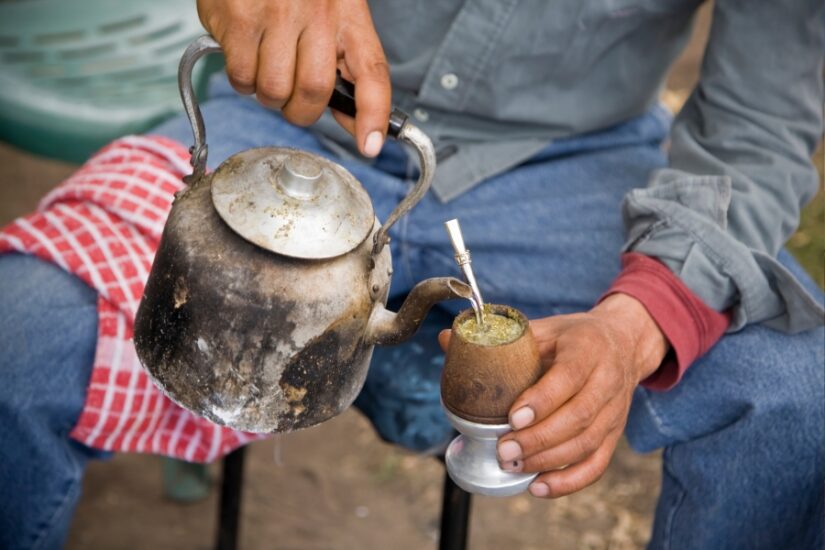
There is no better way to understand Argentina than through its most beloved ritual: mate. This is not a drink so much as a social institution. A way of being together, of slowing down, of saying without words that you have time for the people in front of you.
Mate is made from the dried leaves of the yerba mate plant, brewed in a hollow gourd and drunk through a metal straw called a bombilla. It is passed around a group from person to person, refilling each time, in a ritual of shared hospitality that has been central to Argentine life for centuries. It is slightly bitter, slightly grassy, and deeply, warmly human. Accept it if it’s offered. It means you’re welcome.
Argentina Is Waiting — Are You Ready?
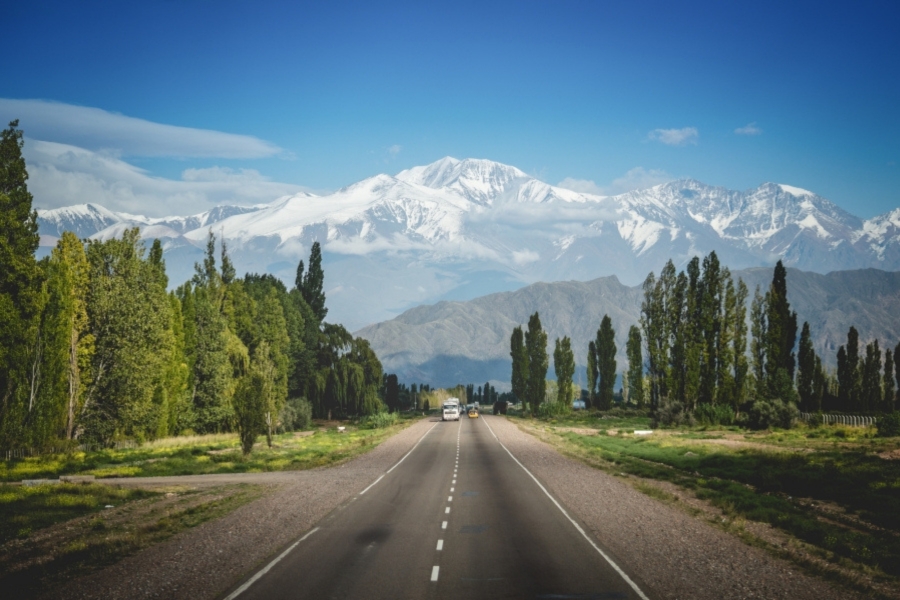
Argentina is the kind of destination that gets hold of you. It is too big to see all at once, too complex to fully understand in one trip, and too extraordinary to visit only once. The glaciers, the vineyards, the tango, the football, the falls, the wide Patagonian sky – each one alone would be worth the journey. Together, they make Argentina one of the most remarkable travel experiences on earth.
At Untravelled Paths, we know Argentina well – its rhythms, its character, its hidden corners, and the moments that make it genuinely unforgettable. Get in touch with our team today and let’s start planning your Argentine adventure. And if you’d like to talk it through properly, we’d be delighted to schedule a call – just say the word.
Written by Jackson Cornish