Is Colombia Safe to Visit? A Realistic Guide for 2027
Is Colombia safe to visit? It is one of the questions we hear most often, and it deserves an honest answer. Colombia has changed enormously in recent decades, and today it welcomes a growing number of visitors. However, like anywhere in the world, it pays to know where to take care. In this guide, we explain what to expect, how to stay safe and how a small group trip helps.
The Honest Answer: Is Colombia Safe to Visit?
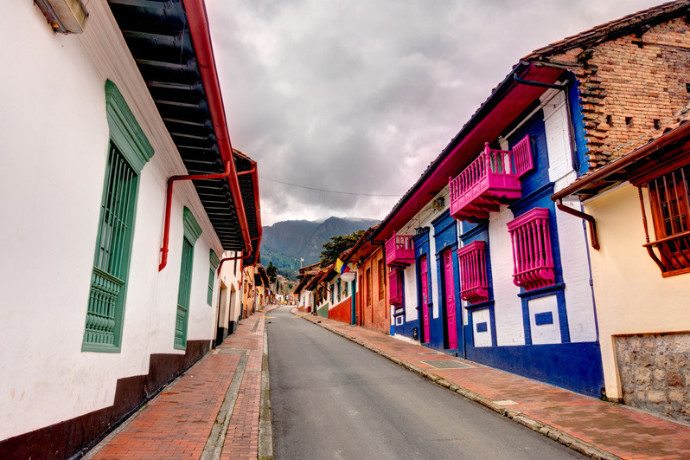
For most travellers, Colombia is safe to visit when they use common sense. The main tourist areas are well established, and the locals are famously warm and hospitable. The most common problem is petty theft, such as phone snatching in busy streets. So, the usual big-city habits apply. Keep valuables out of sight, stay aware of your surroundings and use registered taxis or ride apps at night. Colombians even have a saying for it: no dar papaya, which means do not make yourself an easy target.
How Colombia Has Changed
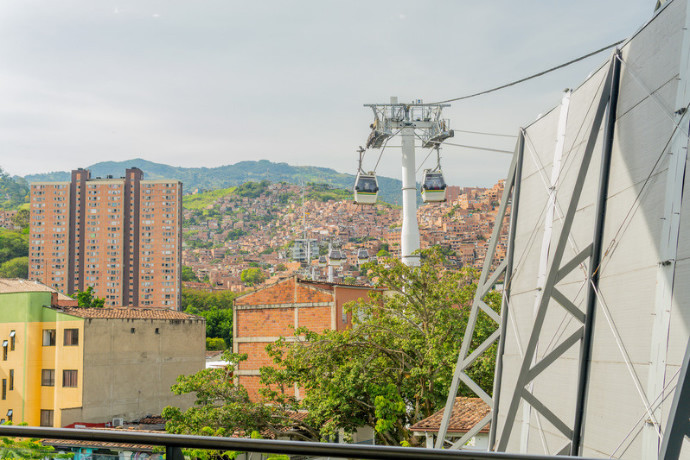
Medellín is the best example of how far the country has come. Once known for its violent past, the city has reinvented itself with cable cars, parks and community projects. On our trip, a local guide takes you through this transformation. You visit the Parque Conmemorativo Inflexión, a memorial built on a former Pablo Escobar property, and the Casa de la Memoria. Both honour the victims and show how the city moved forward. As a result, you gain a deeper understanding of Colombia’s story, told with respect.
Is Colombia Safe to Visit? Staying Safe in Cartagena and the Cities
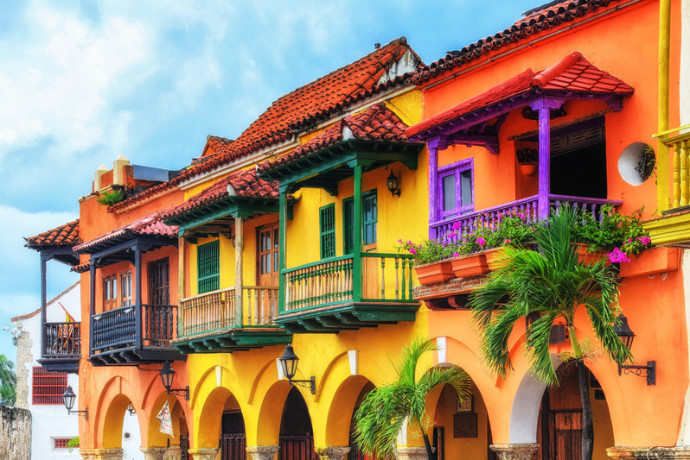
Cartagena’s walled old town is one of the most beautiful places in South America, and it is generally relaxed and full of visitors. Even so, the same city rules apply. Carry only what you need, leave your passport in the hotel safe and be wary of unsolicited offers on the street. In Bogotá, Medellín and Cartagena, never leave your drink unattended, and be careful about accepting drinks from strangers. Also, agree the fare before you get into a taxi, or use a reputable app. Because your guide meets you at the airport and your transfers are arranged, you avoid many of these everyday worries.
The Amazon: Wildlife and Practical Tips
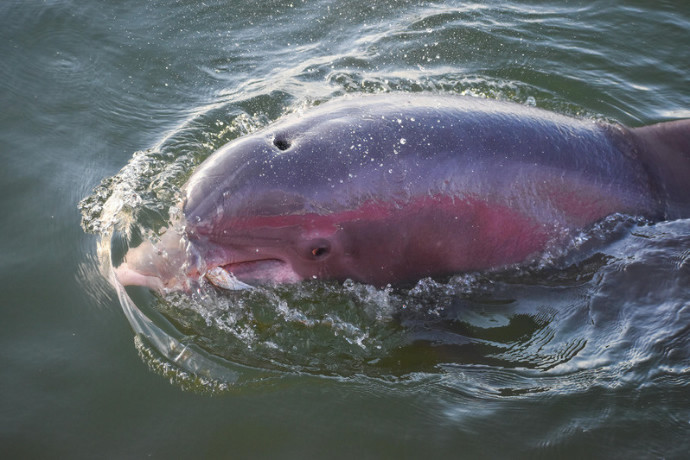
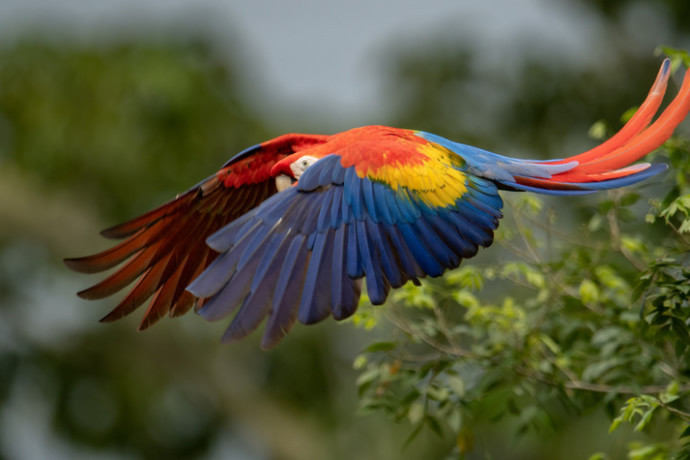
Colombia’s wild places feel peaceful and welcoming. In the Amazon, you stay in a jungle lodge and explore by boat and on foot with local guides. You can look for pink river dolphins, monkeys and colourful birds, and you can visit Indigenous communities along the river. The main concerns here are practical rather than personal. Wear insect repellent, drink bottled water and follow your guide’s advice around the river.
The Coffee Region and the Caribbean Coast
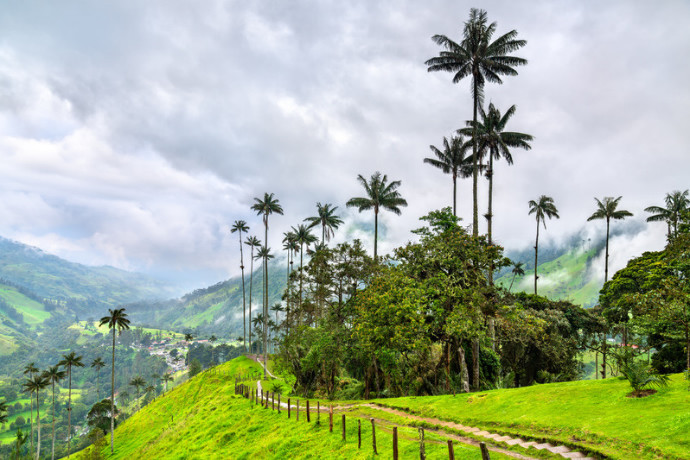
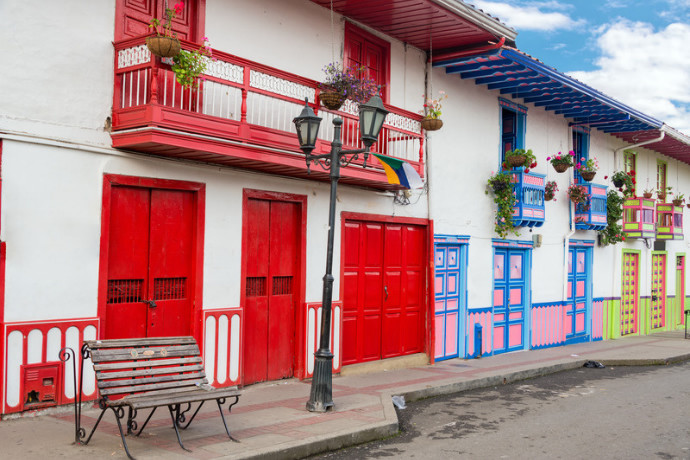
In the Coffee Region, life is calm and rural. You can walk among towering wax palms in the Cocora Valley, wander through colourful Salento and tour a working coffee farm. Meanwhile, the Caribbean coast offers a gentler pace.
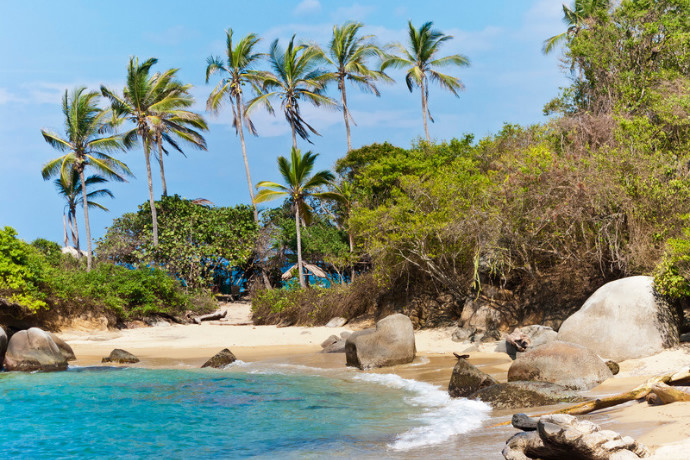
Near Santa Marta, you have free days to relax by the sea, or you can add optional excursions to Tayrona National Park and the cloud forest of Minca. Overall, these regions are popular with visitors, so you will usually be in good company.
Is Colombia Safe to Visit for Your Health? Altitude, Yellow Fever and Malaria
Health matters count as much as personal safety. Bogotá sits at about 2,600 metres, so take it easy for the first couple of days. Also, you will need a yellow fever certificate to visit the Amazon region. Malaria risk is low in most of Colombia, but we recommend anti-malarial tablets if you visit the Amazon. Speak to your GP or a travel health clinic well before you travel, and take out good travel insurance.
Practical Safety Tips for Colombia
- Keep your phone out of sight in busy streets, and avoid using it near the kerb.
- Use registered taxis or reputable ride apps, especially at night.
- Carry a copy of your passport and leave the original in the hotel safe.
- Never leave your drink unattended, and be careful about accepting drinks from strangers.
- Learn a few Spanish phrases, because many locals do not speak English and most menus are in Spanish.
- Follow the advice of your guide, who knows each area well.
Why a Small Group Makes Sense
Travelling in a small group takes much of the stress out of a trip to Colombia. A bilingual guide helps with language, local knowledge and timing. Meanwhile, airport pick-ups, in-country transfers and domestic flights are arranged for you, so you avoid long overland journeys. And because you travel with like-minded people, there is always someone to share the adventure with.
Our 14-night Colombia Experience runs from Bogotá to the Amazon, the Coffee Region, Medellín, Cartagena and the Caribbean coast. Prices start from £3,284 per person, based on two people sharing. International flights are not included.
Check the Latest Official Advice
Conditions can change, so always check the latest travel advice from the UK Foreign, Commonwealth and Development Office before you book and again before you fly. We are always happy to talk through any questions you have.
Ready to see Colombia for yourself? View availability for The Colombia Experience and book your place today. For a day-by-day look at the trip, read our 14-night Colombia journey overview. You can also browse all of our small-group adventures.
Written by James Chisnall