Best Time to Visit Bosnia and Herzegovina: A Season-by-Season Guide
The best time to visit Bosnia and Herzegovina is late spring to early autumn, from May to October. During these months, the weather is warm, the waterfalls run full and the mountain roads are open. However, every season has its own appeal, so the right choice depends on what you want to see.
In this guide, we walk through each season. We also explain what to expect in Sarajevo, Mostar and the countryside. Our small groups travel here from April to November, so we know how the country feels throughout the year.
Best Time to Visit Bosnia and Herzegovina at a Glance
Bosnia and Herzegovina has a continental climate. As a result, summers are warm and winters are cold, especially in the mountains. Spring and autumn fall in between, with mild days and the occasional shower.
For most travellers, May, June and September work best. Temperatures feel comfortable for walking, and the main sights stay calm. July and August bring the most heat, with August reaching around 30°C. April and October are quieter, although rain showers are more likely.
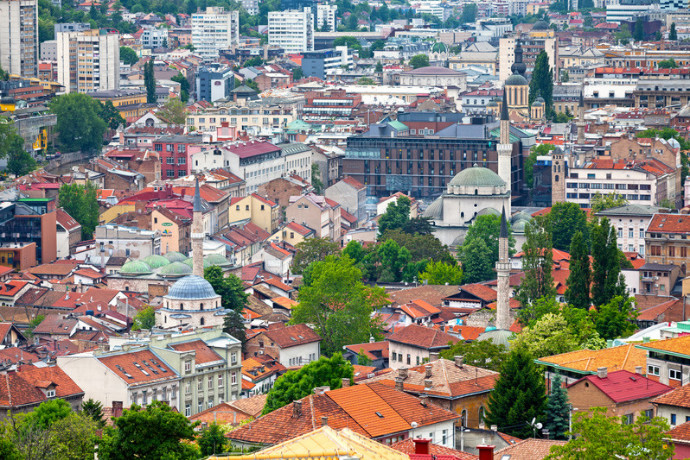
Sarajevo sits higher than Mostar and Trebinje, so it feels cooler. Therefore, pack a light layer even in summer.
Spring: The Best Time to Visit Bosnia and Herzegovina for Waterfalls
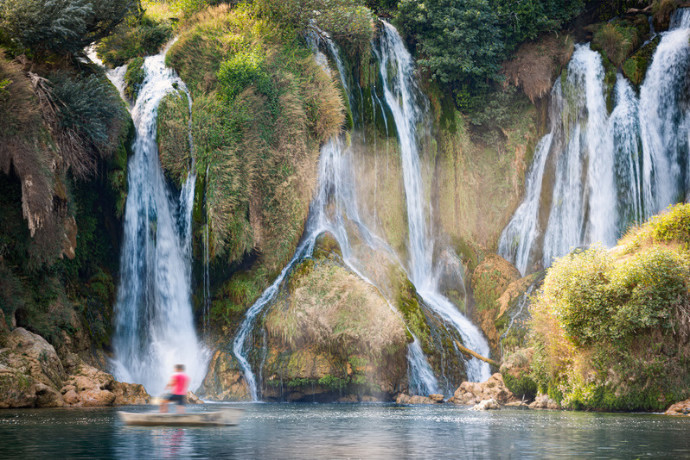
Spring brings snowmelt, and the rivers rise quickly. Consequently, waterfalls such as Kravice and the Pliva at Jajce look their most powerful from April to June. Hillsides turn green, and wildflowers appear in the meadows.
Rain showers are common in April and early May. Nevertheless, the showers pass fast, and the light after rain suits photography. Days are mild, so walking tours of Sarajevo and Mostar feel easy.
Spring also suits travellers who prefer quiet streets. You can wander the Baščaršija bazaar without the summer crowds.
Summer in Bosnia and Herzegovina: Hot Days and Long Evenings
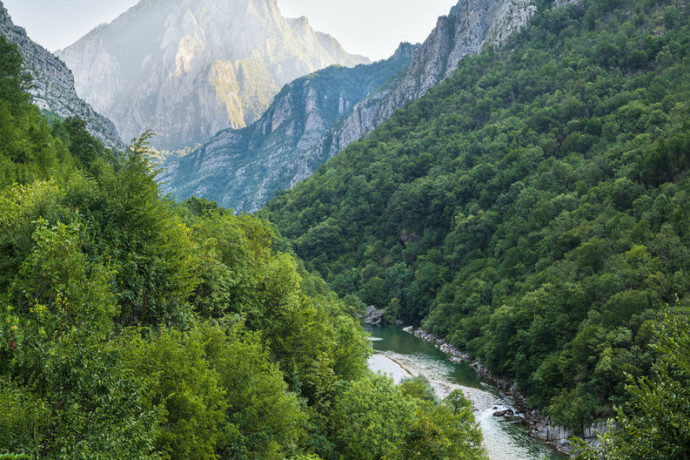
Summer is the warmest season. Mostar and Trebinje get the hottest days, while the mountains stay cooler. Because of this, many visitors swim at Kravice or by the river in the afternoon.
Evenings last long, and café terraces fill with locals. In addition, the summer festivals bring music and film to the streets. Sarajevo hosts its film festival in August.
Remember that July and August are the busiest months. Book your places early, and start sightseeing in the morning to avoid the midday heat.
Autumn: A Quiet Time to Visit Bosnia and Herzegovina
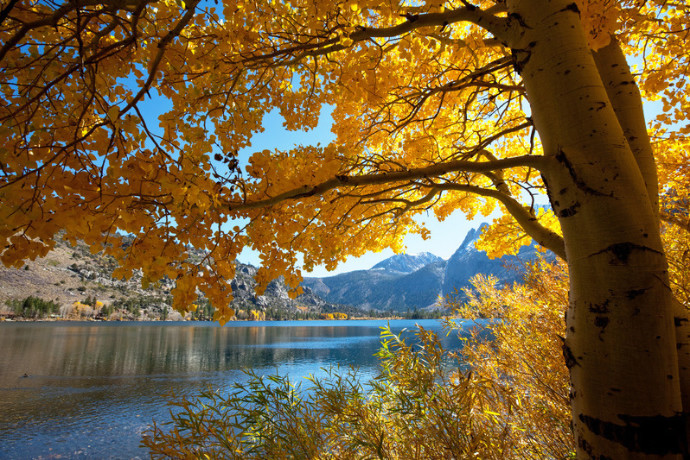
Autumn is a favourite season for many of our guests. The forests turn gold and red, and the air feels crisp. Moreover, the harvest brings fresh figs, pomegranates and grapes to the markets.
September stays warm, so it works well for hiking and day trips. October brings cooler nights and more rain, particularly in late October. Even so, the colours make the national parks beautiful.
If you want autumn colour across the wider region, read our guide to the best places to see autumn colours in Europe.
Winter in Sarajevo and the Mountains
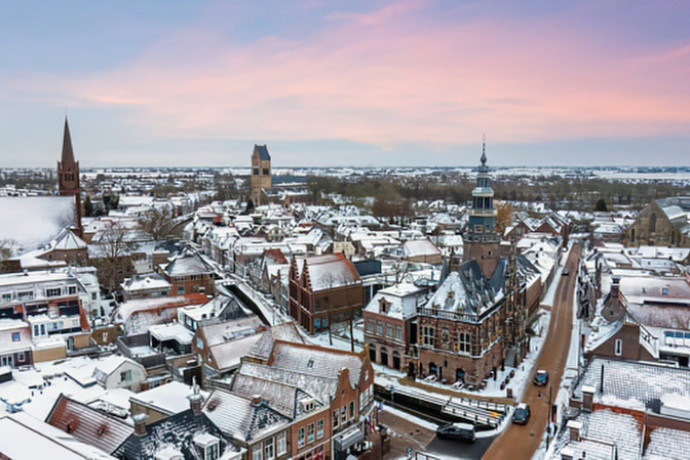
Winter is cold, and snow is common in Sarajevo and the high mountains. The city hosted the 1984 Winter Olympics, so skiing and mountain scenery are part of its story. Cosy cafés and warm food also make the old town feel special.
However, some mountain roads and rural sights close in winter. Daylight is short too. For that reason, our Bosnia and Herzegovina trips run from April to November instead.
If winter is the only time you can travel, check local conditions carefully, and plan for snow.
Best Time to Visit Bosnia and Herzegovina for Mostar and Blagaj
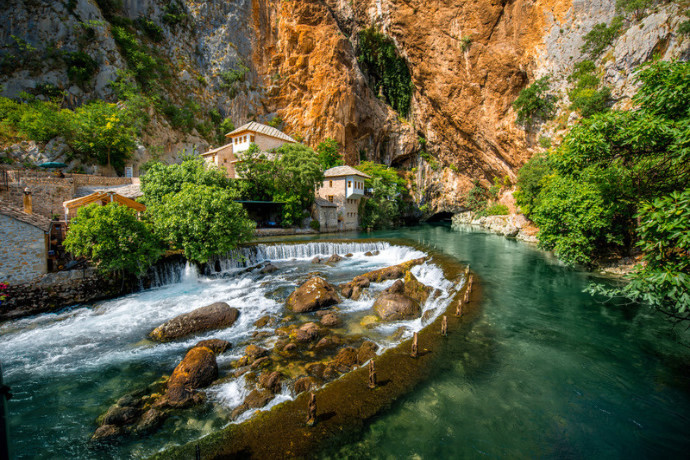
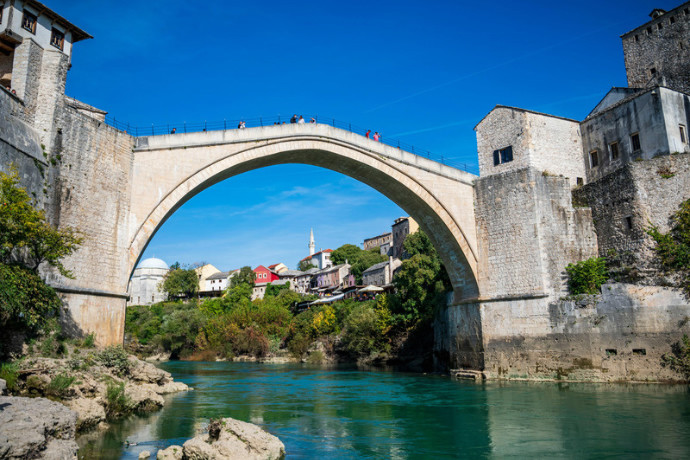
Mostar and Blagaj both shine from May to September. The Old Bridge looks striking in bright sunshine, and the Buna spring at Blagaj runs clear and green. Early morning and evening are the calmest times to visit.
Mostar is hot in July and August. Therefore, we plan a slow pace, with shade, cold drinks and time by the water. In May, June and September, the same stops feel much more relaxed.
To plan the rest of your trip, read our guides to travelling in Bosnia and Herzegovina and whether Bosnia and Herzegovina is safe to visit.
Join Our Bosnia and Herzegovina Experience
Our Bosnia and Herzegovina Experience lasts seven nights and runs weekly from April to November. It visits Trebinje, Sarajevo, Jajce, Kravice and Mostar. Breakfasts are included, and groups have a maximum of eight people.
Prices start from £1,374 per person, based on two people sharing. International flights are not included. Spring and autumn departures cost less, while July and August cost a little more.
Curious about how small groups work? Read our guide to small group adventure travel, or browse all our trips.
Written by James Chisnall