Dracula vs Vlad the Impaler: The Real History Behind Bran and Poenari Castles
Dracula and Vlad the Impaler are not the same person. However, they are tangled together in almost every story about Transylvania. If you are looking for a Vlad the Impaler castle, the truth is more interesting than the legend. In fact, the castle most people photograph is not the one linked to the real man.
Therefore, this guide separates fact from fiction. First, we meet the historical prince. Then we visit the ruined fortress he rebuilt. After that, we look at Bran Castle, Bram Stoker and the places worth seeing on a small group adventure in Transylvania.
Who Was Vlad the Impaler?
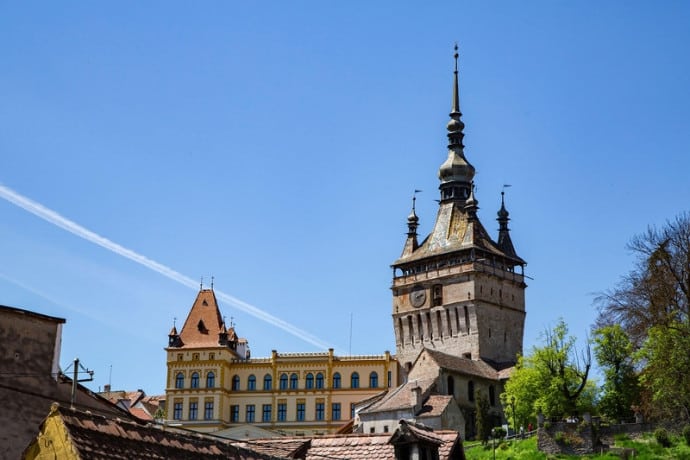
Vlad III was a real ruler of Wallachia, the region south of the Carpathians. Historians generally say he was born around 1431 in Sighișoara. Today, that colourful hilltop citadel is one of the best-preserved medieval towns in Romania.
His father was known as Vlad Dracul, after the Order of the Dragon. Consequently, the son became Dracula, meaning “son of the dragon”. In addition, the name later gained a darker meaning in English.
Vlad ruled Wallachia three times, in 1448, from 1456 to 1462, and again in 1476. Meanwhile, the Ottoman Empire pressed hard on his borders. As a result, he became famous for brutal punishments, and impalement gave him his nickname. In Romania, however, many people also remember him as a prince who defended his land and enforced strict justice.
Poenari: The Real Vlad the Impaler Castle
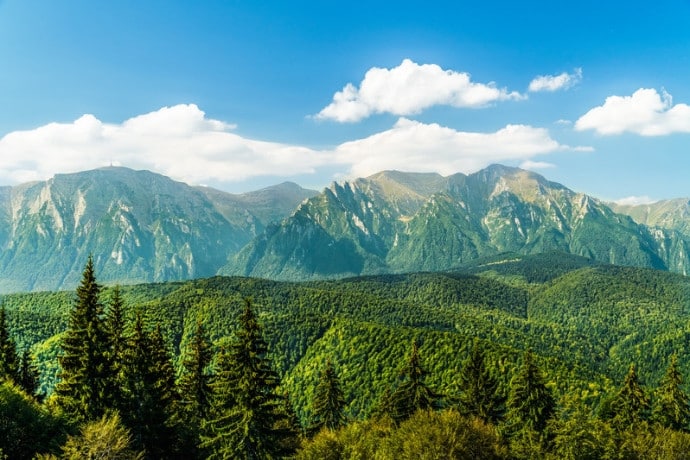
Poenari Citadel is the Vlad the Impaler castle with the strongest historical link. It was an older fortress, but Vlad rebuilt it during his second reign. Moreover, its position is spectacular. The ruins cling to a cliff high above the Argeș valley.
To reach it, you climb around 1,500 steps through the forest. Admittedly, that sounds tough. Yet the climb is steady, and the views over the Carpathians make every step worthwhile. Because the site is a ruin, it feels wild and atmospheric rather than polished.
Poenari also sits beside the Transfăgărășan road, one of Europe’s great mountain drives. Therefore, it pairs well with a day of scenery and short hikes.
Is Bran Castle a Vlad the Impaler Castle?
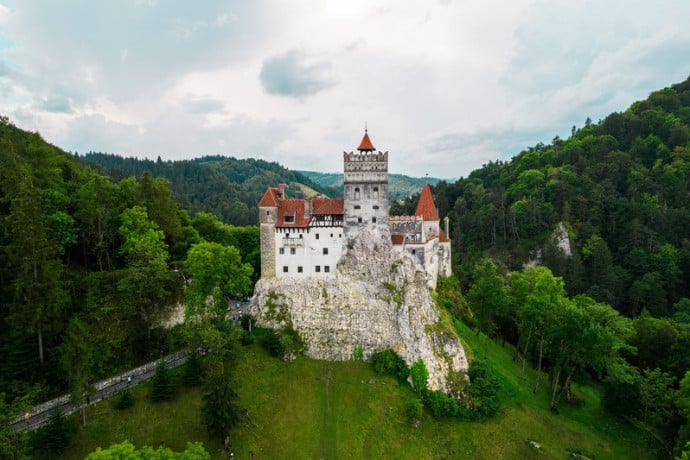
Bran Castle is the famous one. It has white walls, orange-red turrets and a dramatic perch on a rocky crag. Understandably, visitors call it Dracula’s Castle.
However, there is no good evidence that Vlad ever lived there. Instead, the Saxons of Brașov built it in the late fourteenth century to guard a mountain pass. At most, Vlad may have passed nearby on his campaigns.
Even so, Bran is well worth a visit. It is beautifully set, and the rooms are full of royal history. In short, it is a great Romanian castle, even if it is not a true Vlad the Impaler castle.
How Bram Stoker Created Dracula

The novel Dracula appeared in 1897. Its author, Bram Stoker, was Irish and never visited Romania. Instead, he researched the book in libraries and borrowed the name Dracula from a history of Wallachia.
As a result, his vampire count is fictional. Stoker described a castle in the Carpathians, but he did not base it on Bran or Poenari. Nevertheless, tourism later tied the legend to Bran, and the link stuck.
Other Places Linked to Vlad the Impaler
Beyond the castles, a few other places tell the story. For example, Târgoviște was a princely seat, and the Chindia Tower still rises above the old court. Likewise, Snagov Monastery stands on an island in a lake. According to tradition, Vlad is buried there, although historians still debate the claim.
Meanwhile, Sighișoara lets you see where it all began. Altogether, these stops add real history to the legend.
Transylvania Beyond the Dracula Legend
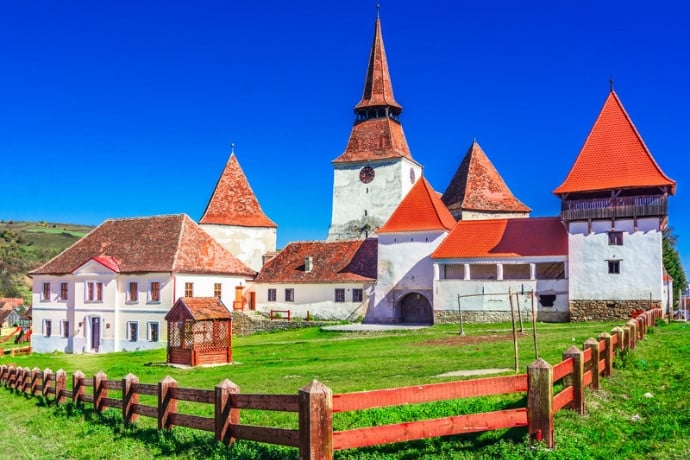
Honestly, the Vlad the Impaler castle story is only part of Transylvania. The region also has Saxon villages with fortified churches, medieval towns and quiet mountain valleys. Furthermore, the forests are home to bears, wolves and lynx.
Because of this, a trip here works best when it mixes history with the outdoors. For example, you can explore castles in the morning and walk in the hills after lunch. Our guides know the back roads, and they tell the real stories rather than the tourist myths.
See Vlad the Impaler Castle Sites on a Small Group Trip
If you want to follow the trail, join our Transylvania experience. We travel in a small group with a local guide, so you get time, space and good stories. In addition, we use family-run hotels and avoid the busiest tour-bus times.
For more ideas, read our Dracula trail guide and our post on what adventure travel really means. Finally, you can browse every Untravelled Paths trip to plan your next journey.
Written by James Chisnall