Top 5 Cities in the Balkans: Our Honest (and Slightly Opinionated) Guide
Ask ten travellers to name the best cities in the Balkans and you’ll get eleven answers, at least three heated debates and probably an invitation to share a glass of rakija. That’s half the fun of this corner of Europe. It’s a region of mountains, lakes, Ottoman bazaars, Venetian old towns and Habsburg boulevards, often all within a single afternoon’s drive.
We’ve been taking small groups off the beaten track across the Balkans and Eastern Europe since 2008, so we’ve had plenty of time to form opinions. To keep things fair(ish), we scored each city against the same seven criteria:
- The vibe: how the city feels when you’re wandering it with no particular plan
- The setting: mountains, lakes, coastline and the scenery that frames it all
- The people: how warm, welcoming and genuinely hospitable the locals are
- Authenticity: whether it still feels like a real, lived-in place
- How touristy it is: crowds, cruise ships and souvenir-shop density
- Things to do: in the city itself and on easy day trips
- Value for money: what your pound actually gets you
A quick note before the purists write in: yes, the borders of “the Balkans” are famously debated. Only a slice of Istanbul sits on the Balkan Peninsula, and some would put Transylvania firmly in Central Europe. We’ve taken a generous, well-travelled view of the region. Now, pour yourself a Turkish coffee and let’s count down.
5. Istanbul, Turkey: Where East Meets West
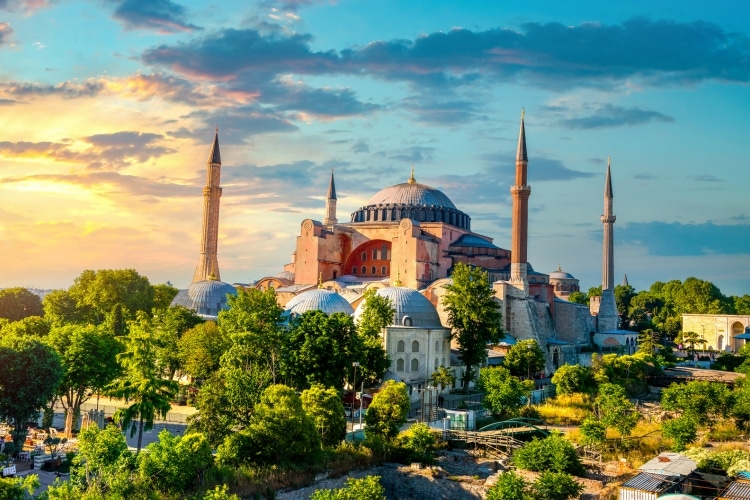
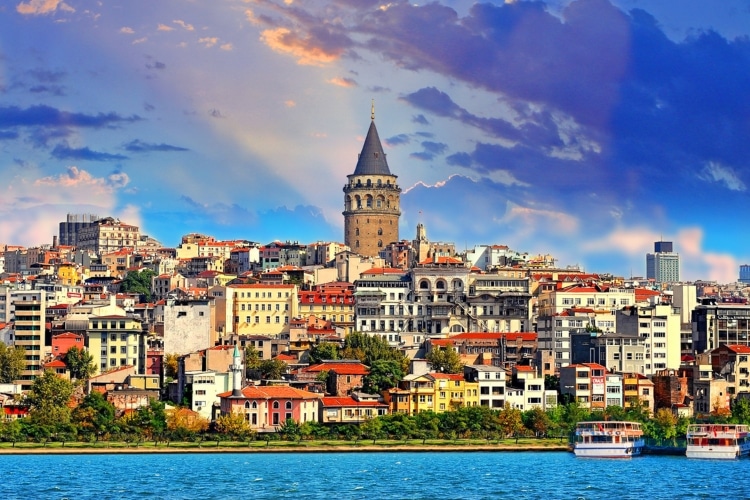
There are few cities on Earth quite like Istanbul. Straddling two continents across the Bosphorus, this is where East and West don’t so much meet as collide, and the contrast is exhilarating. One minute you’re gazing up at the domes of Hagia Sophia and the Blue Mosque; the next you’re sipping cocktails in a rooftop bar in Karaköy.
Why visit Istanbul?
- History at every turn. Byzantine emperors, Ottoman sultans and modern Turkey have all left their mark, from Topkapı Palace to the eerie, atmospheric Basilica Cistern.
- A serious food culture. Think simit from street carts, balık ekmek (fish sandwiches) by the Galata Bridge, sizzling kebabs, endless mezze and, of course, proper Turkish delight. Leave any memories of the supermarket stuff at the door.
- Surprisingly friendly, relaxed locals. For a city of more than 15 million, Istanbul is remarkably laid-back, and a tea offered in a shop doesn’t always come with a sales pitch.
- Life on the water. Bosphorus cruises, hop-on ferries to the Asian side, trips out to the car-free Princes’ Islands and access to the Black Sea coast.
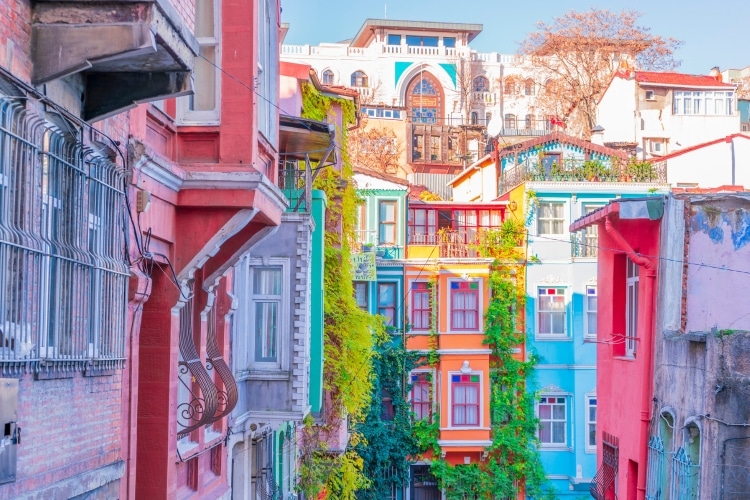
- Authentic experiences, if you know where to look. Scrub up in a traditional Turkish hammam, join a cooking class, haggle in the Grand Bazaar or lose yourself in the backstreets of Balat and Kadıköy.
- A genuine year-round destination. There’s no “best” time to visit Istanbul, just different times. Spring tulips, summer evenings on the water, autumn colour and moody, misty winter days all have their charm.
Where Istanbul doesn’t score so well
Overtourism has pushed prices up noticeably in recent years, especially in Sultanahmet, and the headline sights can be very crowded. It’s also a little geographically isolated from the rest of the cities on our list, so it’s harder to combine with a wider Balkan trip.
Best for: history buffs, foodies and big-city lovers.
4. Ohrid, North Macedonia: The Balkans’ Best-Kept Lakeside Secret
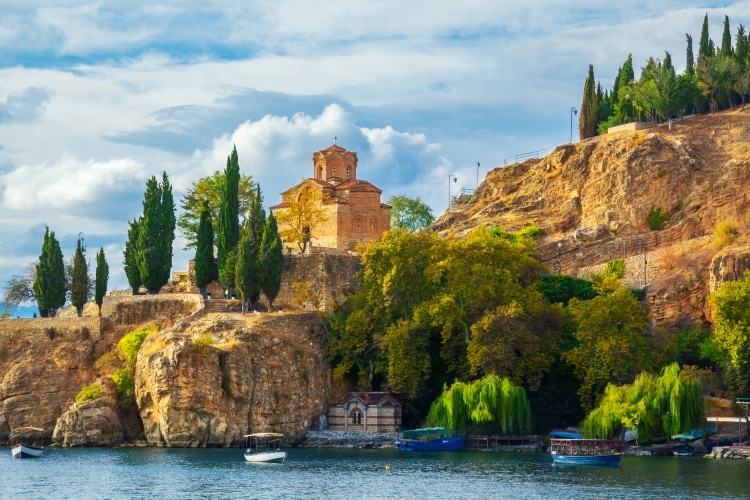
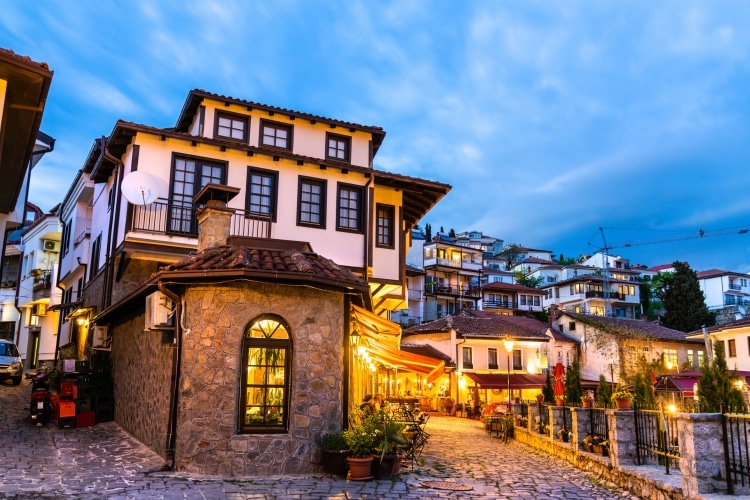
If Istanbul is a shot of strong Turkish coffee, Ohrid is a long, slow sip of mountain tea. Set on the shores of Lake Ohrid, one of the oldest and deepest lakes in Europe, this is a town that has perfected the art of taking things easy.
Why visit Ohrid?
- A double dose of UNESCO. Ohrid holds a rare dual UNESCO World Heritage designation, recognised for both its natural beauty and its cultural heritage. Not many places can claim that.
- Crystal-clear, ancient waters. The lake is more than a million years old and so clear you’ll be checking twice that the boat is actually floating.
- Churches with a view. The clifftop Church of St John at Kaneo is one of the most photographed spots in the Balkans, and deservedly so. Add Samuel’s Fortress, the ancient theatre and the lakeside Monastery of St Naum to your list.
- A slow pace of life. Lakeside cafés, evening strolls along the promenade and locals who are genuinely happy to chat.
- Excellent value for money. Your budget stretches a long way here, from lakeside dining to boutique guesthouses.
- Still relatively undiscovered. Especially once you head into the surrounding mountains and Galičica National Park, which offers glorious hiking and views over both Lake Ohrid and Lake Prespa.
- Conveniently placed. Ohrid sits neatly between Tirana and Skopje, making it an easy addition to a multi-country Balkan adventure.
Where Ohrid doesn’t score so well
Honestly? It might be a little too chilled for some. If you want buzzing nightlife or a packed cultural calendar, you may find yourself twiddling your thumbs. It’s a year-round destination, but it’s much quieter in winter, when a fair few restaurants and hotels close their doors.
Best for: slow travellers, couples, hikers and anyone in need of a proper recharge.
3. Kotor, Montenegro: Jaw-Dropping Views Around Every Corner
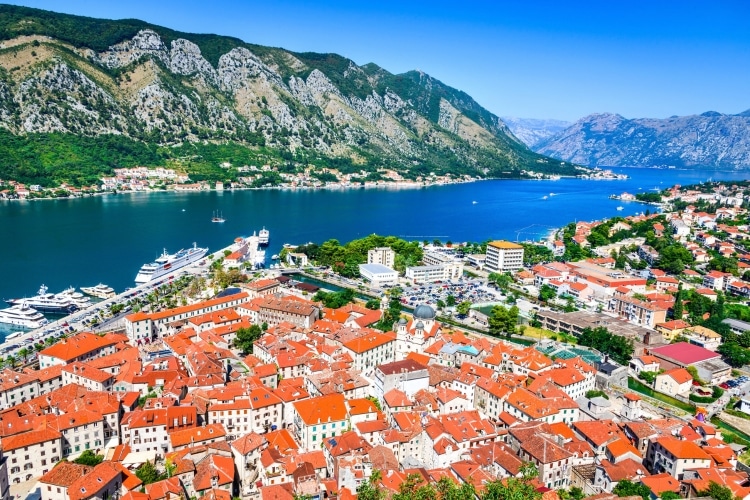
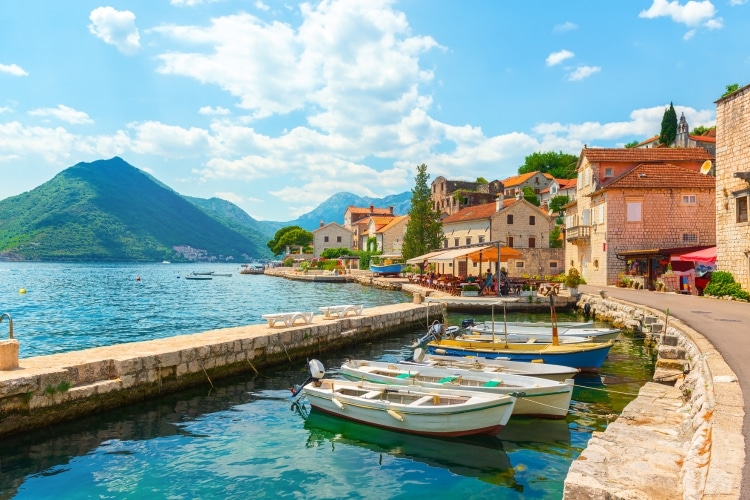
Sailing into the Bay of Kotor is one of those travel moments that stays with you for life. Sheer limestone mountains plunge into fjord-like waters, and nestled at the far end sits a perfectly preserved Venetian old town. Breathtaking doesn’t quite cover it.
Why visit Kotor?
- A storybook Old Town. Kotor’s UNESCO-listed Venetian Old Town is a maze of marble lanes, hidden squares, medieval churches and a famously large population of cats.
- Climb the fortress walls. Around 1,350 steps lead up to the ruins of St John’s Fortress. Your thighs will complain, but the views over the bay will shut them up.
- The crystal-clear Bay of Kotor. Hop on a boat excursion to the island church of Our Lady of the Rocks, or explore hidden coves by kayak.
- Brilliant day trips. Pretty Perast, glitzy Tivat, the beaches of Budva and even Dubrovnik are all within easy reach.
- Nature on the doorstep. Lovćen National Park (don’t miss the Njegoš Mausoleum and its views) and Lake Skadar National Park, a haven for birdlife, are both close by.
- Adrenaline in the mountains. White-water rafting through the Tara River Canyon, one of the deepest canyons in Europe, makes a thrilling day out.
Where Kotor doesn’t score so well
Montenegrins are renowned for being, shall we say, very laid-back. It’s a lovely trait when you’re lingering over lunch, and a slightly frustrating one when you’re waiting for the bill. More importantly, tourism (and the cruise ships) has increased noticeably, and value for money is slipping, which is why Kotor isn’t higher on our list. That said, it’s still far less touristy and much better value than nearby Dubrovnik. It’s also very much a seasonal destination, with things slowing right down from November to March.
Best for: photographers, active travellers and anyone who wants coast and mountains in one trip.
2. Brașov, Romania: The Gateway to Transylvania
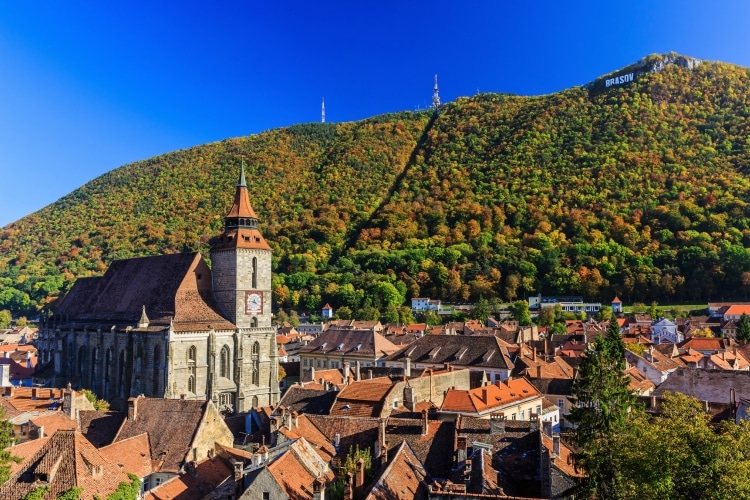
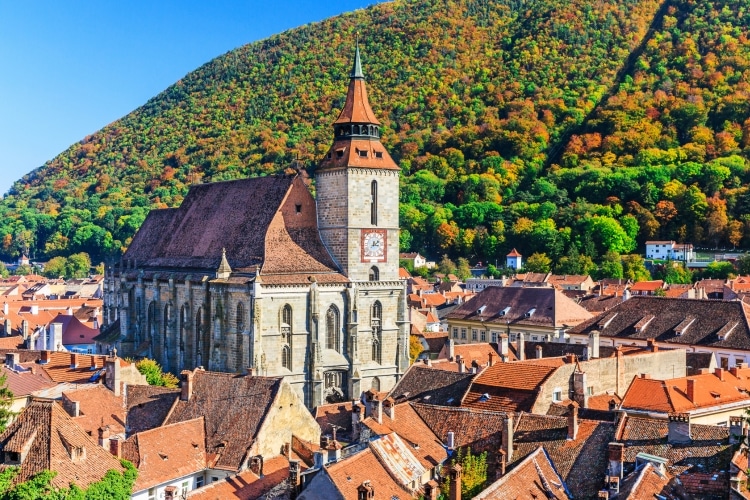
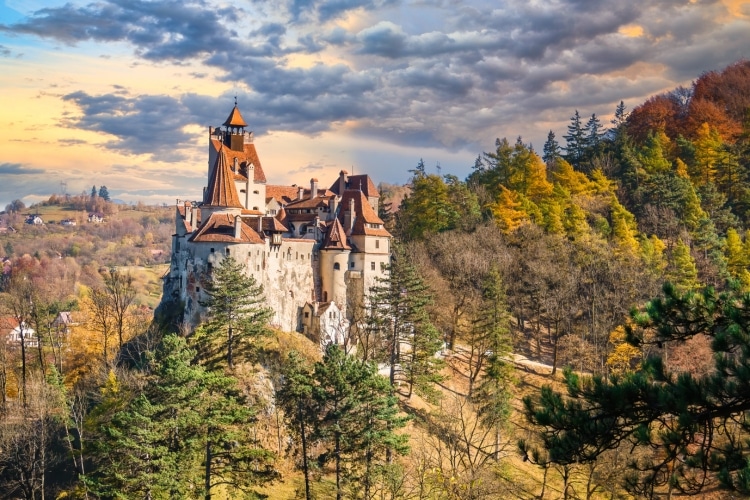
Forget the vampire clichés for a moment (we’ll come back to them, promise). Brașov is one of the most charming cities in Eastern Europe, a colourful medieval Saxon town cradled by the forested foothills of the Carpathian Mountains, and it’s the perfect base for exploring Transylvania.
Why visit Brașov?
- A beautiful, colourful Old Town. Pastel-hued buildings frame Council Square, the imposing Gothic Black Church towers over the rooftops, and Rope Street is one of the narrowest streets in Europe.
- Excellent restaurants. Brașov’s food scene punches well above its weight, from hearty Transylvanian classics to modern bistros, and prices remain very reasonable.
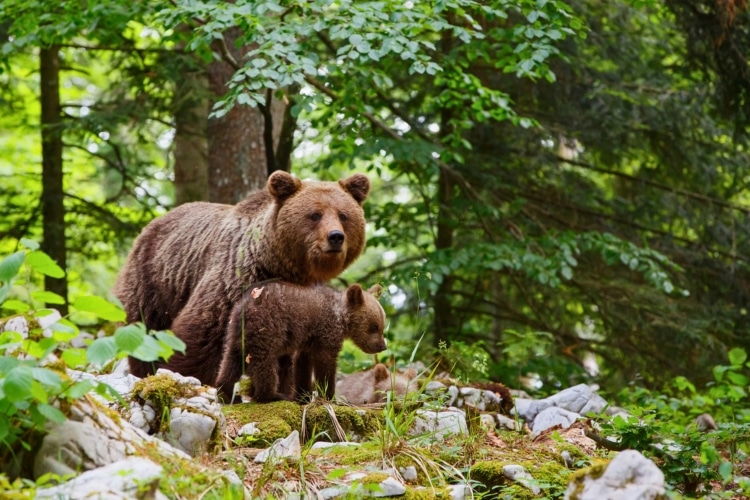
- Wild, wonderful nature. Take the cable car up Tâmpa Mountain or hike the Carpathian foothills. This is one of Europe’s great wildlife regions, home to brown bears, grey wolves and lynx.
- Castles and citadels galore. Bran Castle (aka Dracula’s Castle), the fairytale Peleș Castle, the UNESCO-listed Saxon village of Viscri, and the medieval towns of Sibiu and Sighișoara are all within reach. Road-trippers can tackle the spectacular Transfăgărășan Highway up to Bâlea Lake in summer.
- Warm, welcoming locals. Transylvanians are friendly, proud of their region and quick to share a recommendation (or a glass of pálinka).
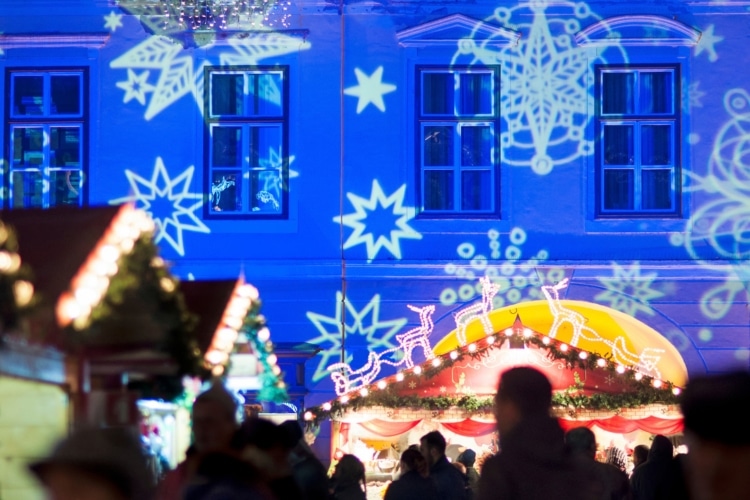
- A true year-round destination. Winter brings a fabulous Christmas market, skiing at nearby Poiana Brașov, husky sledding and even a stay at the Ice Hotel at Bâlea Lake.
Where Brașov doesn’t score so well
It’s a hard city to criticise, but Bran Castle can get very busy in peak season, and it trades heavily on a Dracula connection that historians would politely describe as “loose”. You’ll also want transport, a guide or an organised tour to reach the best of the surrounding countryside, as public transport to rural Transylvania can be patchy.
Best for: nature lovers, castle collectors, winter wonderland seekers and wildlife spotters.
1. Sarajevo, Bosnia and Herzegovina: Our Favourite City in the Balkans
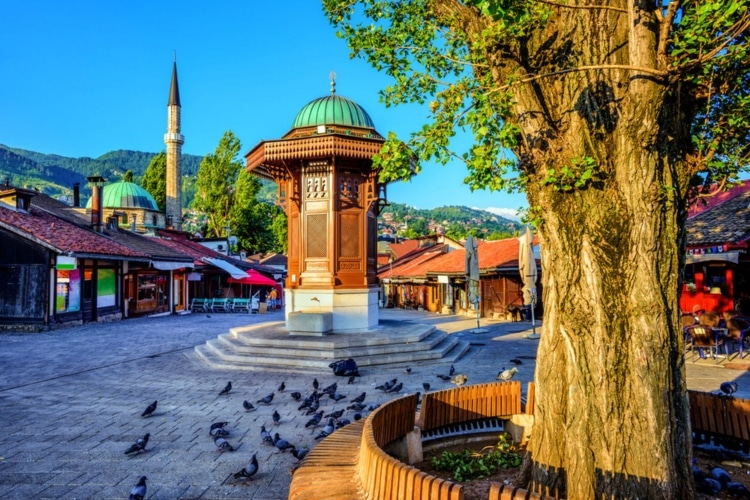
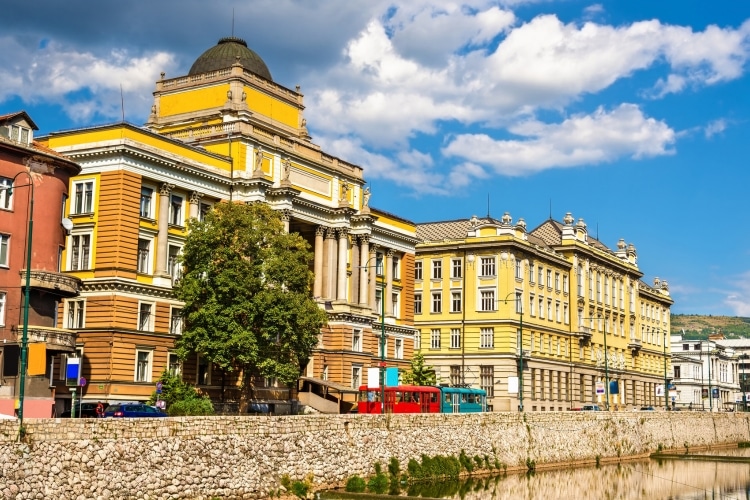
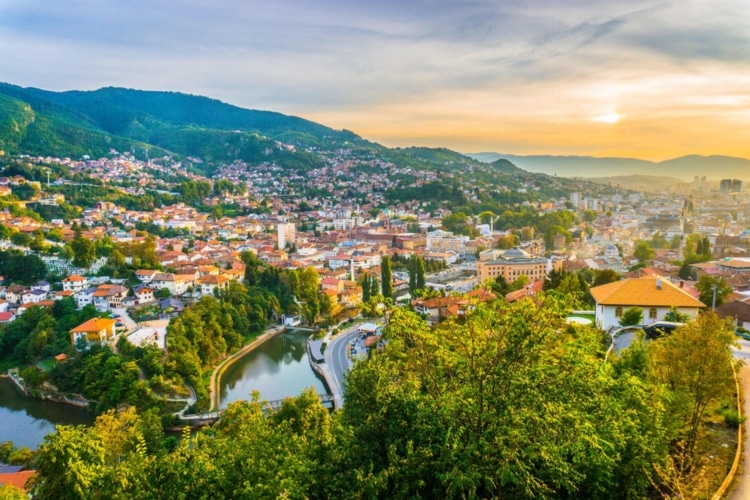
Drumroll, please. Our number one city in the Balkans is Sarajevo, a place absolutely dripping in history, culture and tradition. Few cities anywhere have been through as much, and few welcome visitors with such open arms.
Why visit Sarajevo?
- A fascinating blend of East and West. Walk down Ferhadija Street and you’ll literally cross from the Ottoman bazaar of Baščaršija into Austro-Hungarian boulevards. Mosques, Catholic and Orthodox churches and a synagogue all sit within a few minutes of each other, which is why Sarajevo is sometimes called the “Jerusalem of Europe”.
- History that shaped the world. See the Latin Bridge, where the assassination of Archduke Franz Ferdinand sparked the First World War, and learn about the 1984 Winter Olympics and the siege of the 1990s at the city’s powerful museums and the Tunnel of Hope.
- A surprising foodie culture. Ćevapi, flaky burek, slow-cooked stews and syrupy baklava, all washed down with ceremonial Bosnian coffee. You will not leave hungry.
- Authenticity in spades. Unlike many old towns, Baščaršija is still full of locals: coppersmiths at work, old friends chatting over coffee and families out for an evening stroll.
- The friendliest people on our list. Bosnian hospitality is legendary. Don’t be surprised to be invited in for coffee or offered directions that turn into a full walking tour.
- Outdoor adventures. Ride the Trebević cable car, hike the surrounding mountains, or take day trips to Mostar and its iconic bridge, the waterfall town of Jajce, and the turquoise pools of Kravica Waterfalls.
- Excellent value for money. Sarajevo remains one of the best-value capital cities in Europe.
Where Sarajevo doesn’t score so well
The only mild grumble is the weather, which has a mind of its own. Snow in the morning and sunburn by the afternoon is not unheard of, so pack layers. Winter brings skiing at the Olympic mountains of Jahorina and Bjelašnica, though snow isn’t always reliable. Even so, a snowy Sarajevo is magical and well worth a winter visit.
Best for: culture lovers, history enthusiasts, foodies and anyone seeking the real Balkans.
Frequently Asked Questions About Visiting the Balkans
What is the best city to visit in the Balkans?
We think Sarajevo edges it, thanks to its rich history, authentic atmosphere, incredible food and famously hospitable locals, but Brașov runs it very close.
When is the best time to visit the Balkans?
Late spring (May to June) and early autumn (September to October) offer warm weather and fewer crowds. Sarajevo, Brașov and Istanbul are great year-round, while Kotor and Ohrid are best from April to October.
Is the Balkans good value for money?
Generally, yes. Sarajevo, Ohrid and Brașov offer outstanding value, while Kotor and Istanbul have become pricier in recent years.
Can you combine several Balkan cities in one trip?
Absolutely. Ohrid, Kotor and Sarajevo link together well overland, and Brașov pairs beautifully with the rest of Transylvania.
Over to You: Do You Agree With Our List?
So there you have it: our top five cities in the Balkans. But we know how passionate people are about this part of the world, so tell us: did we get it right? Would Sarajevo take your top spot? Are we criminally underrating Belgrade, Ljubljana, Tirana, Plovdiv or Mostar? Is there a hidden gem we’ve missed off the list entirely?
Let us know in the comments below. We read every one, and the best suggestions might just inspire our next adventure.
Ready to Explore the Balkans Off the Beaten Track?
Reading about these cities is one thing; wandering Baščaršija at dusk or watching the sun set over Lake Ohrid is quite another. At Untravelled Paths, we’ve been crafting authentic small-group adventures since 2008, with groups capped at just eight travellers, so you get proper local immersion without the tour-bus crowds. Prefer to go your own way? Our tailor-made trips can be built entirely around you.
👉 Explore our Balkans and Eastern Europe tours or get in touch to start planning your trip today.
Written by James Chisnall